
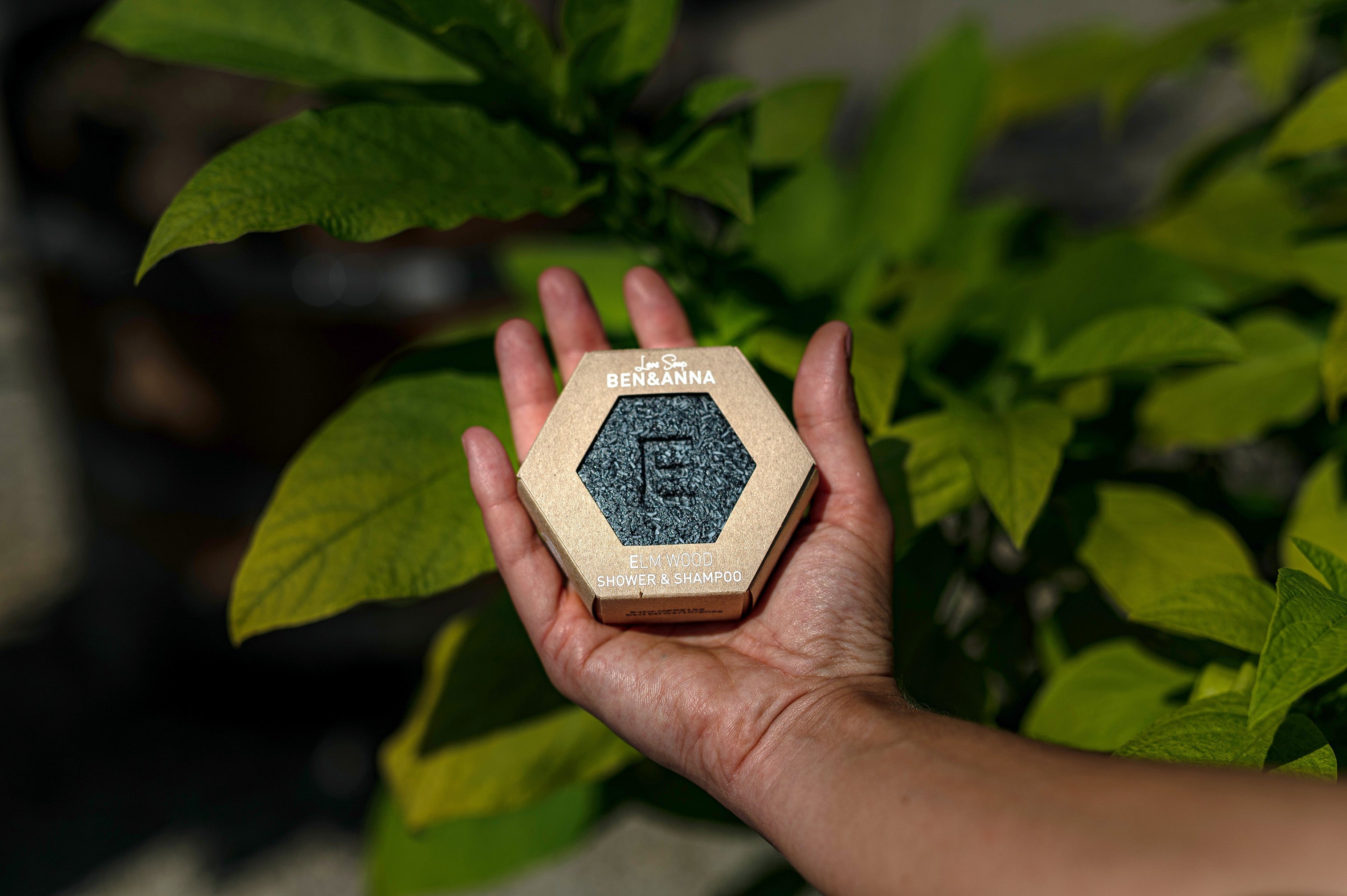
Natural cosmetics are trending – and for good reasons. In short: natural cosmetics are care and beauty products based mainly on natural, plant-based or mineral raw materials that do without petroleum-based substances, synthetic fragrances and colorants, and certain preservatives. Because the term isn't uniformly protected by law, seals and a look at the ingredients help you tell genuine natural cosmetics from fake ones. More and more people are choosing them because they want to care for themselves more consciously, reduce plastic packaging and simplify their routine. In this guide, you'll get a clear overview.
What are natural cosmetics?
Natural cosmetics are care and beauty products based mainly on natural, plant-based or mineral raw materials. As a rule, they do without petroleum-based substances, synthetic fragrances, colorants and certain preservatives.
Good to know: the term “natural cosmetics" is not uniformly protected by law. That's why it's worth looking at recognized seals and the ingredient list – that way you can tell whether what's inside really matches what the packaging promises.
Why more and more people are choosing natural cosmetics
In recent years, awareness around care products has changed noticeably. More and more people are asking themselves what they put on their skin and hair every day – and are looking for alternatives that feel simpler, more conscious and more coherent.
Natural cosmetics appeal mainly through three points:
- More conscious ingredients – you know and decide what goes on your skin.
- Simple, clear routines – fewer products that are better matched to each other.
- A pleasant, natural feeling of care.
Instead of piling up lots of products, the trend is toward a few consciously chosen care habits – “less is more". That's exactly what makes natural cosmetics attractive to many people.
How can you recognize genuine natural cosmetics?
Because the term isn't protected, a few features help you recognize quality:
- Recognized seals and certifications from established standards.
- Transparent ingredient lists (INCI) – nothing is hidden.
- No microplastics, parabens or synthetic fragrances.
- Vegan formulas (not automatically – more on that below).
- Packaging with less plastic, e.g. made of glass or paper.
The more of these points come together, the more likely it is that you're looking at genuine natural cosmetics.
The benefits of natural cosmetics
- Natural ingredients: plant oils, extracts and minerals instead of petroleum-based additives.
- Less plastic packaging: e.g. solid products or packaging made of paper and glass.
- Animal welfare: many products are vegan.
- Conscious consumption: a few carefully chosen products instead of overflowing shelves.
How well a product suits you always depends on your skin type too – more on that below.
Natural cosmetics by product category
Today there's natural care for almost every area, often in a plastic-saving form:
- Deodorant without aluminum – as a deodorant cream or stick. To the deodorant cream →
- Solid hair care – solid shampoo and solid conditioner. To solid hair care →
- Solid soaps – for hands and body.
- Natural oral care – toothpaste and toothpaste tablets.
- Body and lip care.
Less is more: the shift in care routines
A central principle behind natural cosmetics is reducing things to the essentials. Many people realize they don't need a separate product for every area – a simple routine is often enough. Instead of overflowing bathroom shelves, you get consciously chosen combinations of a few well-matched products.
One product shows this shift especially well: solid shampoo. It's space-saving and practical, economical to use, needs little packaging and is easy to integrate into everyday life. At the same time, it fits perfectly with the natural cosmetics idea: fewer products, consciously chosen. That way a quick habit becomes a small, pleasant moment in your day.
Conscious care beyond the ingredients
Genuine natural cosmetics think beyond the product. Plastic-saving alternatives, refill systems and packaging made of glass or paper help reduce plastic packaging. Combined with reusable helpers, your daily care can be designed with noticeably less single-use packaging – without giving up a good feeling of care.
Natural cosmetics and sensitive skin
A common misunderstanding: “natural" doesn't automatically mean “well tolerated by every skin". Natural substances too – such as certain essential oils – can irritate sensitive skin. At the same time, good natural cosmetics often do without harsh surfactants and synthetic fragrances, which suits many sensitive skin types. If in doubt: test a new product on a small area first.
Myths about natural cosmetics
“Natural cosmetics don't work as well." High-quality natural formulas can be very effective – what matters is the quality of the formulation, not the “natural" label.
“Natural always means well tolerated." Not quite: natural substances can irritate too. Your skin type still matters.
“Natural cosmetics are always expensive." Many products are highly concentrated or in solid form – solid shampoos and soaps often last longer, which lowers the price per use.

How to find the right products
Switching to natural cosmetics doesn't have to be a radical cut. It works best step by step:
- Consciously replace one or two products and see what feels good.
- Use trial sets to test different varieties at your own pace.
- Pay attention to your skin type and read the ingredient list.
- Adjust bit by bit – without pressure or fixed rules.
Over time, this develops into a routine that really suits you.
Frequently asked questions about natural cosmetics
What are natural cosmetics? Care products based mainly on natural, plant-based or mineral raw materials that do without certain synthetic additives.
How do I recognize genuine natural cosmetics? By recognized seals, transparent ingredient lists (INCI) and the absence of certain synthetic substances such as microplastics or parabens.
Are natural cosmetics always vegan? Not automatically – many brands are vegan, but some use natural animal-derived substances like beeswax. A look at the label helps.
Is switching to natural cosmetics complicated? No, it can happen completely step by step. Often it's enough to replace individual products and adjust your routine slowly.
Do natural cosmetics last just as long? Natural preservation can affect shelf life – check the stated period of use after opening.
Why is solid shampoo becoming more and more popular? Because it's practical, economical and saves packaging. It fits well with conscious, simplified care routines.
Conclusion
Natural cosmetics stand for conscious care with natural ingredients – and for a perspective that goes beyond the individual product, toward animal welfare and less plastic packaging. Because the term isn't protected, it's worth checking seals and ingredients. The switch works best step by step: small changes that add up over time. In the end, what counts is that your care routine feels good and suits you and your values.
Want to discover natural, vegan care with less plastic? Browse our most popular natural cosmetics products → and find your new favorites.